Here's the uncomfortable truth about every trend list, including ours: the beautiful rooms in them are someone else's. They were shot in a specific space, with specific light, at a specific time of day — and none of those things are true of your room.
That gorgeous terracotta wall was photographed in a south-facing loft with three metres of ceiling. Your bedroom faces north and has a radiator under the window. The trend can be genuinely good and still be completely wrong for your space. So before you spend money you can't easily get back, test it where it actually has to work: your room.
Why "it looked great online" fails so often
Three things change a look between the photo and your home, and all three are invisible on a product page:
- Light. The same paint colour looks warm and glowing in direct sun and flat, greyish or muddy in a north-facing room. Light is the single biggest variable, and it's entirely specific to your space.
- Scale. A sofa that looks perfect in a huge showroom can swallow a normal living room. The dimensions are right there in centimetres — but centimetres are abstract until you see them against your own walls.
- Everything else in the room. A piece never lives alone. It has to work next to the floor you already have, the wall colour that's already there, and the stuff you're keeping.
A trend isn't good or bad in the abstract. It's good or bad in your room — and that's the only test that counts.
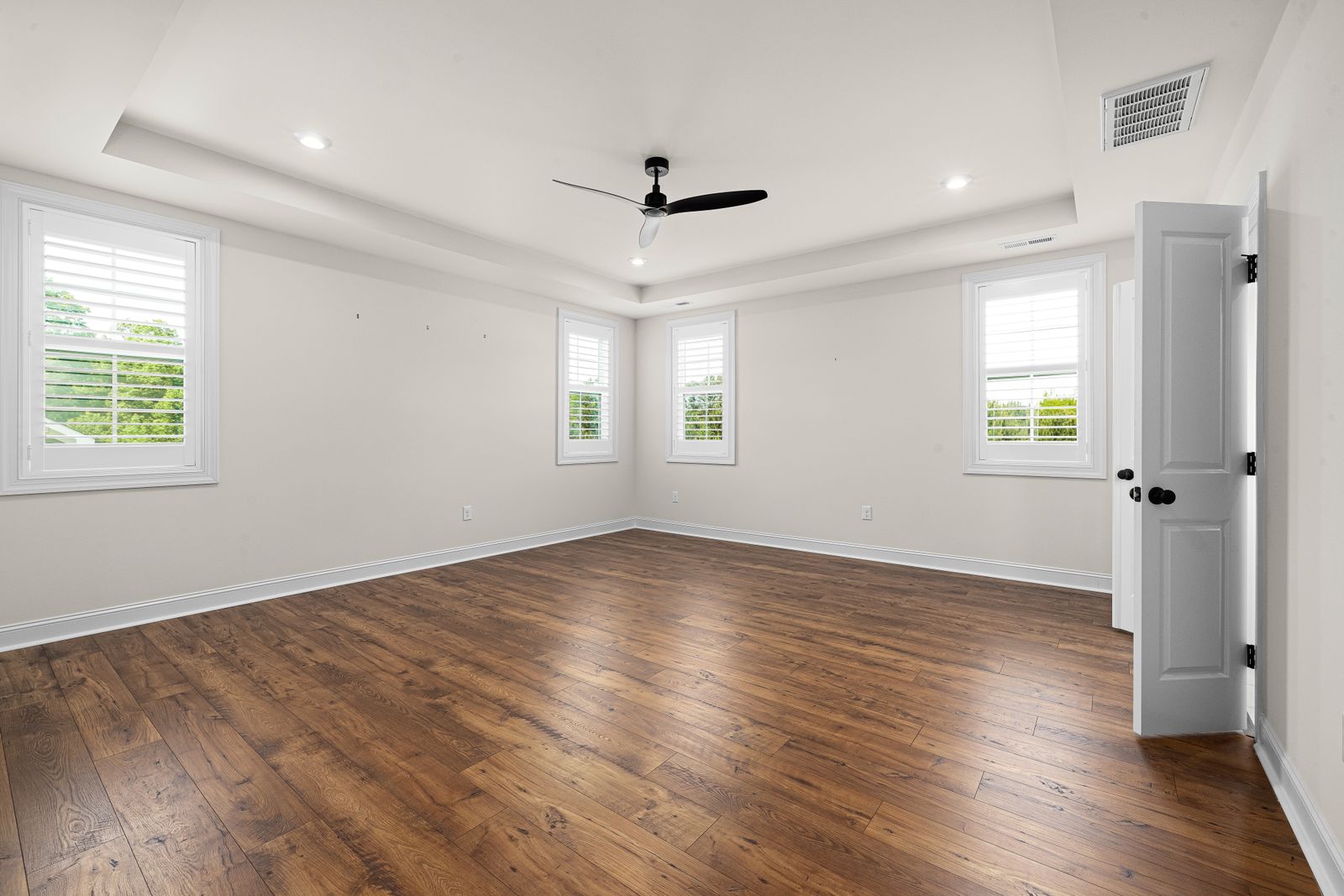
The old way: cardboard, tape and imagination
The traditional fixes half-work. You can measure the piece and mark its footprint on the floor with masking tape — good for "will it physically fit," useless for "how will it look." You can buy a tester pot and paint a patch — better, but a 10 cm square tells you little about a whole wall in evening light. And you can hold a fabric swatch up to the light and squint. All of it leans hard on imagination, which is exactly the thing that fails us when we're excited about a purchase.
The faster way: see it in a photo of your real room
This is the part where we're biased, because it's the entire reason RoomTourAI exists. You take a photo of your actual room, drop in the furniture you're considering at its true real-world size, and see it in place — against your walls, your floor, your light. Then you get an AI-rendered version of the finished room, so you're judging something that looks real, not a floating cut-out.
It answers the three questions above at once: does it fit, does the scale feel right, and does it actually work with everything else already in the room — before any money changes hands.
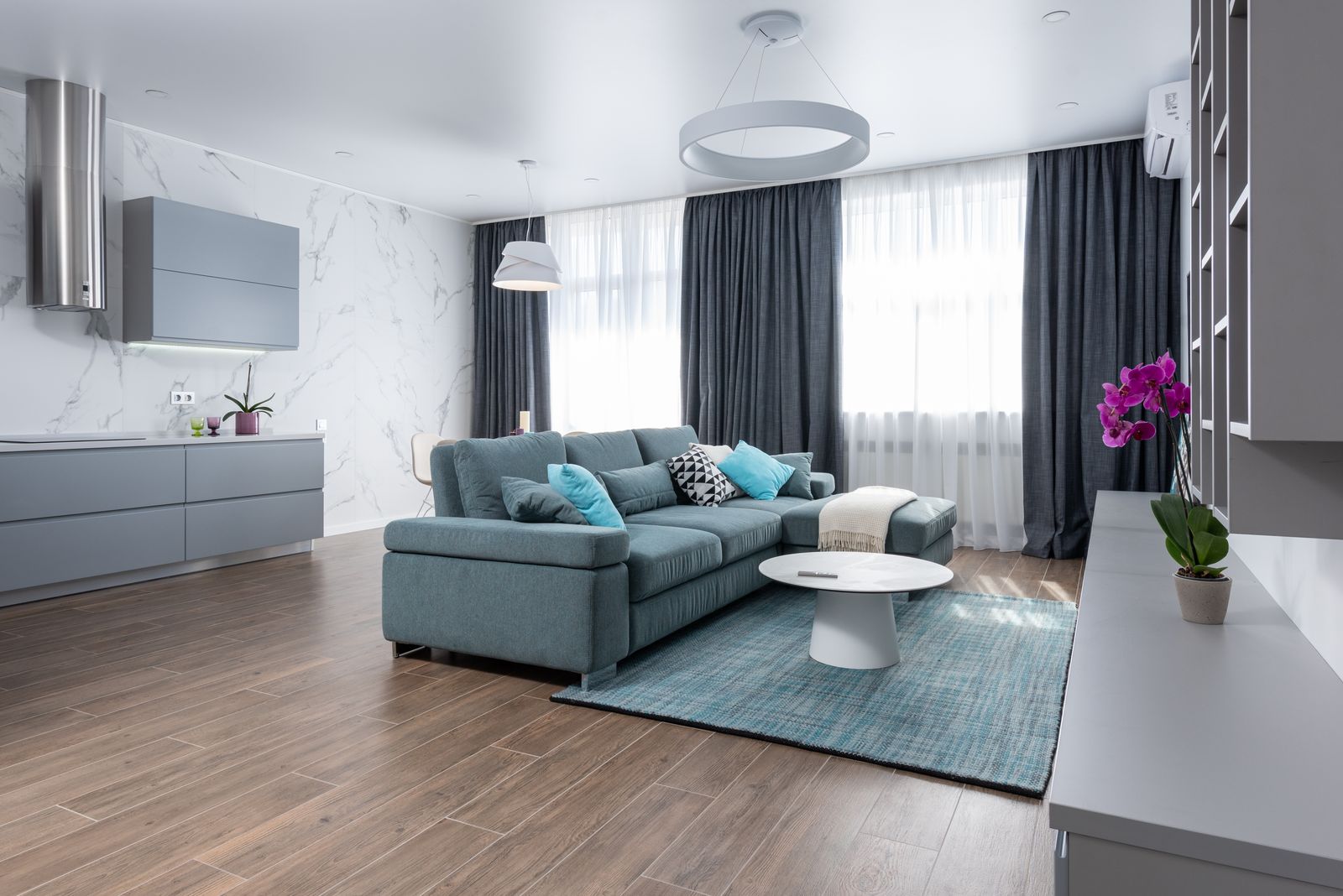
A sensible way to test a whole look
If you're chasing a full trend rather than a single piece, test it in layers, cheapest and most reversible first:
- Start with the free stuff. Mock the room up with the colour and key pieces before you buy anything at all. Kill the ideas that don't work here while they cost nothing.
- Test the biggest, least reversible thing next. Usually paint or a large sofa. This is where a wrong call costs the most, so it earns the most testing.
- Then check the fit, for real. Once you love how it looks, make sure the actual dimensions leave you room to walk, open doors and live. Our five-minute fit check covers exactly this.
- Buy last, and buy once. By the time money is involved, there should be no surprises left.
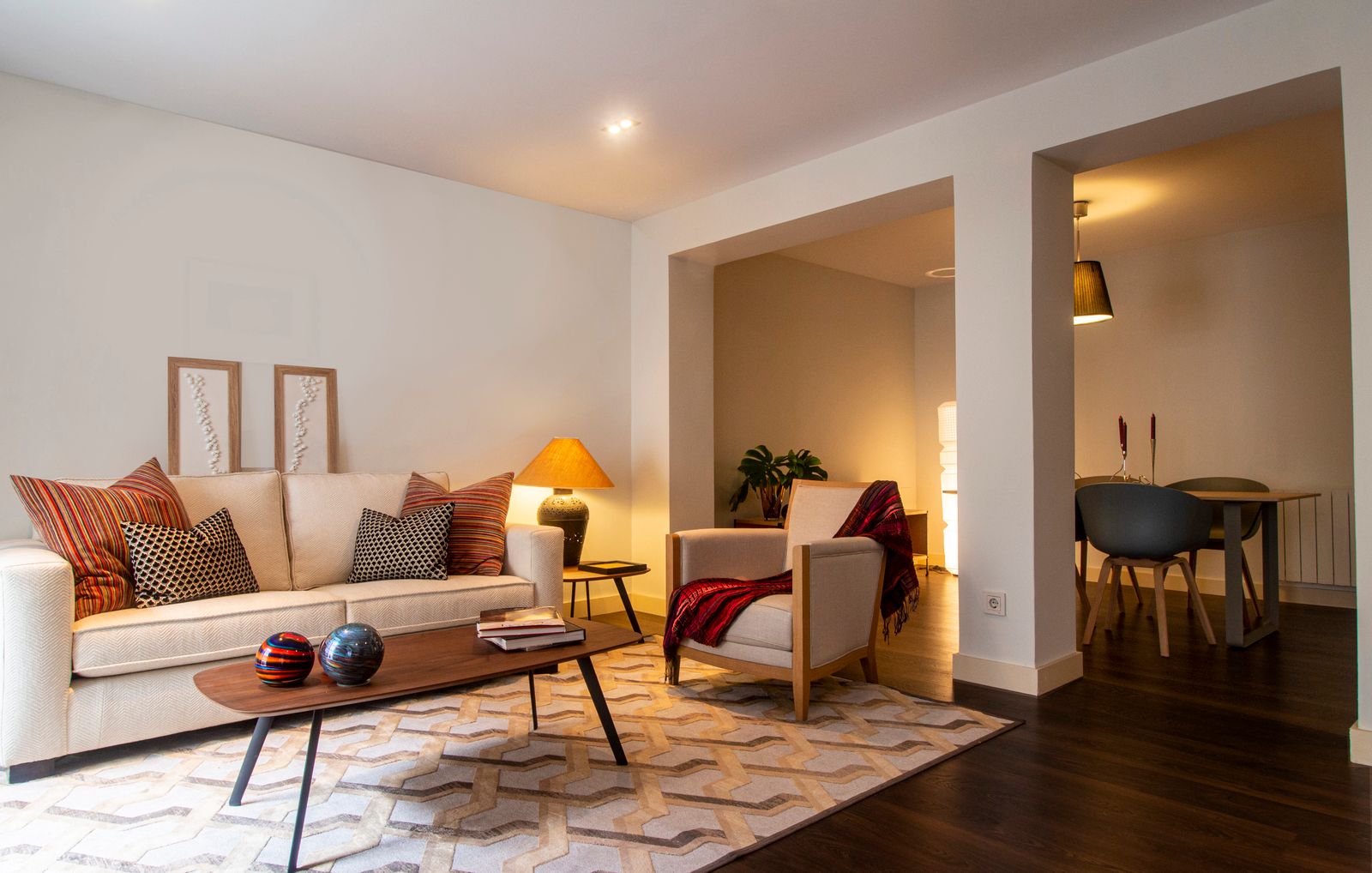
The point
Trends are worth following when they're right for your space and worth ignoring when they're not — and the only way to know which is which is to see it in your own room first. Do that, and "I hope this works" becomes "I already know it does."
Try it free — no account needed.
Photography via Pexels: Curtis Adams, Max Vakhtbovych, Gabriela Pons.